Kenya's locally led climate finance model brings resources closer to communities – but patronage, weak oversight, and executive discretion put funds at risk of capture and diversion
Blog
Corruption risks in devolved climate finance: lessons from scaling Kenya’s CCCF
Kenya’s devolved climate finance brings adaptation funding closer to communities, but patronage and weak transparency can divert resources away from those most in need.
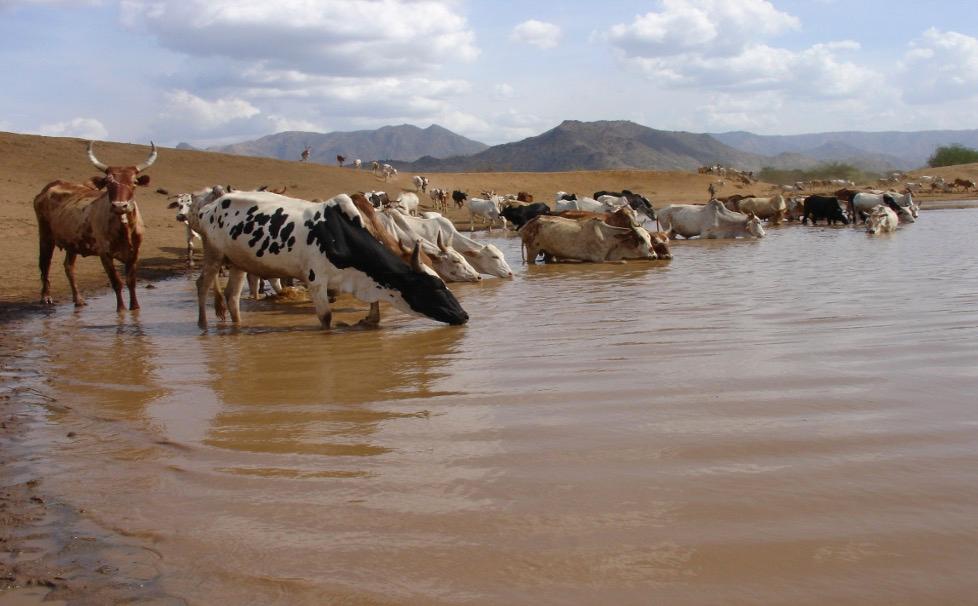
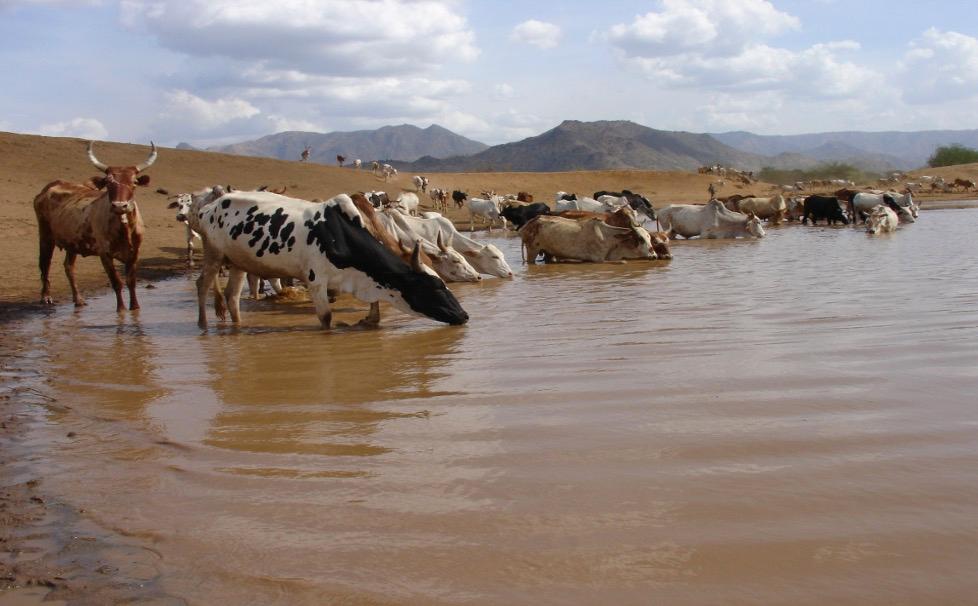
When structures such as planning committees, grievance mechanisms, and co-financing rules mainly serve to unlock grant funding rather than give communities real influence, funds remain exposed to misuse and diversion. Photo: Achiba Gargule CC BY-NC-ND
Kenya is often seen as a leader in locally-led climate adaptation. Through the County Climate Change Fund (CCCF) mechanism and the World Bank-supported Financing Locally Led Climate Action(FLLoCA) programme, climate finance is channeled through county governments to support locally prioritised adaptation investments. Since its first pilot in 2011, the CCCF model has expanded rapidly across Kenya.
Why integrity of DCF matters
Devolved climate finance (DCF) represents an important shift in how adaptation money reaches communities. Rather than designing climate investments in national capitals, DCF channels finance directly to the local level by connecting community priorities to local government budgets and national spending. The logic is straightforward: embed adaptation decisions at the local level, where vulnerability is greatest and local knowledge matters most.
In Kenya, DCF operates mainly through the CCCF mechanism, which combines community-led planning with county government fund management. The mechanism gives communities greater authority to identify their adaptation priorities and turn them into local infrastructure, livelihood projects, and community planning institutions. It also responds to long-standing concerns that international climate finance flows are difficult to trace from global commitments to local delivery.
However, bringing finance closer to communities also brings it closer to local political economies, where access to public resources may be shaped by loyalty, ethnicity, reciprocal obligation, and county-level patronage.
The main concern is that Kenya’s 2010 decentralisation reforms expanded local control over public resources without fully addressing the political economy of corruption. Scholars and commentators have described this context through ideas such as ethnicised politics, 'the politics of the belly', and 'everyone’s turn to eat'. These concepts point to a familiar risk: when public resources move closer to local power structures, political loyalty, ethnic ties, and reciprocal obligations can shape who benefits, including from funds intended for local climate adaptation.
A 2026 U4 Issue examines corruption risks in Kenya’s DCF system, focusing on implementation vulnerabilities in CCCF investments funded under the FLLoCA programme. It identifies where integrity risks emerge across the investment cycle and draws lessons for building transparency and accountability into DCF.
Where corruption risks emerge in DCF
The findings point to corruption risks across the CCCF investment cycle, especially once community influence weakens after project selection. After planning ends, county government public finance systems largely take over the CCCF project cycle, giving county executives control over budgeting, procurement, implementation, inspection, and payments. This creates openings for politically connected actors to steer projects, favour preferred contractors, approve poor-quality work, delay payments, or channel funds through existing patronage networks.
Weak county audit systems make these risks harder to detect. Many audit departments lack the resources, independence (from county executive), or technical capacity to scrutinise CCCF investments. Where audits are underfunded or politically constrained, diverted funds, inflated costs, poor-quality projects, bid rigging, and misuse of adaptation finance can remain hidden from the communities these funds are meant to support.
A second concern is weak political oversight. County assemblies are constitutionally mandated to scrutinise executive decisions, but patronage can reduce their willingness to question spending or demand accountability. This risk is higher in remote and arid counties, where project sites are harder to inspect and civil society oversight is thinner. Weak local oversight is amplified by underfunded national oversight institutions that lack the capacity, expertise, and political will to supervise climate finance effectively.
Formal safeguards such as planning committees, grievance mechanisms, co-financing rules, and ring-fenced contributions can strengthen accountability only if they work in practice. When these structures mainly serve to unlock grant funding rather than give communities real influence, funds remain exposed to misuse and diversion. Examples where the disbursements to several counties was suspended underlines the cost of procedural compliance without accountability.
Building transparency and accountability into DCF
Although these findings draw on a small set of Kenyan case studies, they point to a wider lesson: financing and scaling DCF to local levels must be matched by stronger integrity systems.
These cases offer useful lessons for financing and scaling DCF in similar contexts in Africa and beyond.
First, DCF programmes should treat corruption risk assessment as a core design tool, not an afterthought. In high-risk settings such as Kenya, this means assessing risks during programme design and across the full delivery chain, mapping informal systems of reciprocity and context-specific vulnerabilities, testing safeguards in real implementation settings, and adapting them as risks change.
Second, anti-corruption strategies are likely to be most effective when they target the high-risk institutional environment of decentralisation and strengthen local oversight and monitoring capacity. Four priority actions can help:
- Publish funding and project data
National and county government institutions should disclose transfers, project details, budgets, procurement decisions, progress updates, and performance reports in formats communities can access and understand. - Strengthen audits and grievance systems
Measures can include independent audits, clear and independent complaint channels, and timely follow-up can help detect misuse and reduce the risk that DCF funds are delayed, diverted, or poorly used. - Support community and civil society monitoring
Communities and CSOs need access to information, resources, protected space, and safe reporting channels to verify delivery, raise concerns, and document how funds are used. Independent reporting channels can also help facilitate disclosures and strengthen local oversight. - Strengthen coordination with oversight institutions
National oversight bodies need shared tracking systems, stronger technical capacity, and clear accountability frameworks to detect risks early and scale oversight as climate finance flows to local levels.
Inclusive and effective locally-led climate action needs more than good intentions. It requires integrity systems that help resources reach communities and groups that are both exposed to climate-related hazards and highly vulnerable to their impacts, while building trust in decentralised delivery of DCF.
Read more in U4 Issue 2026:10 Understanding corruption risks in devolved climate finance. Implementation vulnerabilities in the ‘Financing Locally Led Climate Action’ programme in Kenya.
Disclaimer
All views in this text are the author(s)’, and may differ from the U4 partner agencies’ policies.
This work is licenced under a Creative Commons Attribution-NonCommercial-NoDerivatives 4.0 International licence (CC BY-NC-ND 4.0)
Keywords
Photo
Photo: Achiba Gargule CC BY-NC-ND